We Started By Making Space
As many people who tend a piece of land know, planting is the easiest part of gardening.
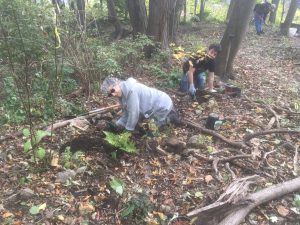
Before any planting, our volunteers must remove invasive plants to make space. English Ivy and Norway Maples are the top two such plants that we have gradually eliminated from the park.
Learn more about:
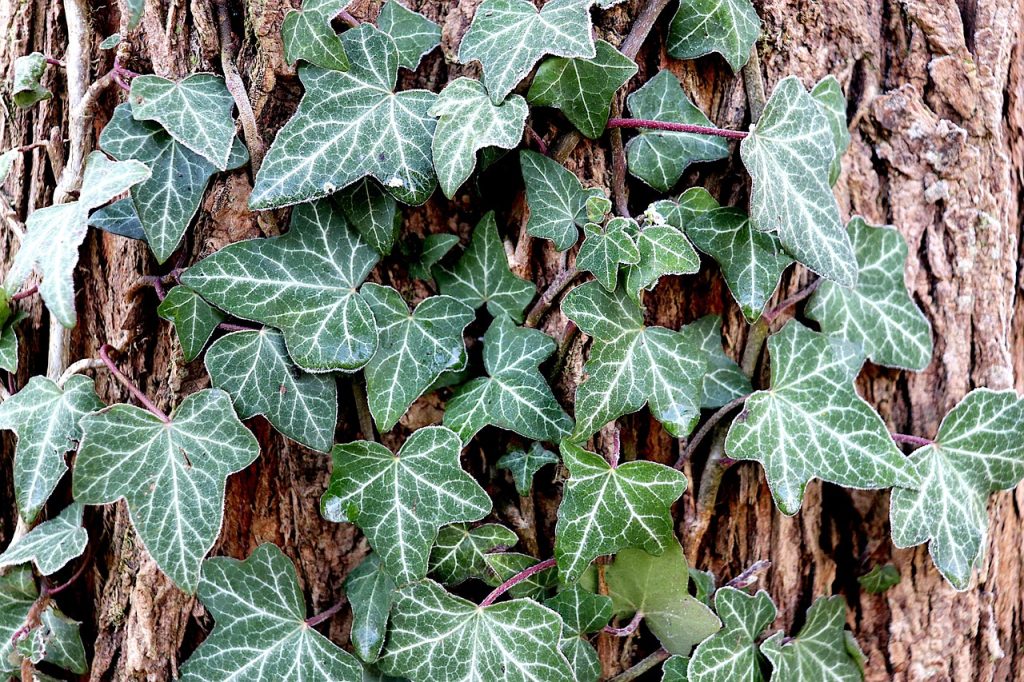
Invasive: English Ivy
(Latin name: Hedera helix)
English ivy, a non-regulated Class C noxious weed. It is evergreen and perennial. It is capable of covering the ground as well as entire tree, taking all available light and nutrients.
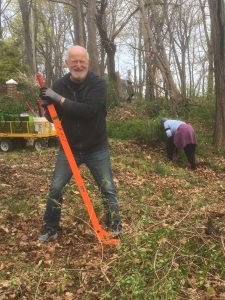
Removal: A hook tool is used to cut the ivy on the ground into manageable sections that can be pulled from the ground. In trees, the ivy is cut near the ground and at shoulder level. By removing the middle piece, it is clear that the ivy has been cut. The vines higher up will dry up and fall to the ground naturally.
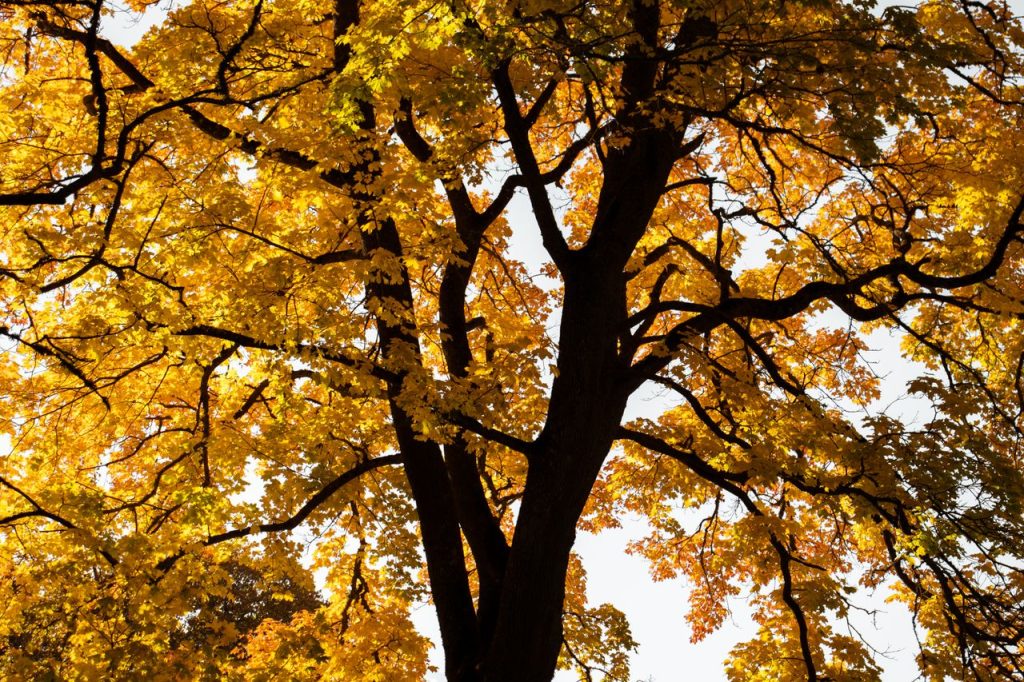
Invasive: Norway Maple Tree
(Latin name: Acer platinoid)
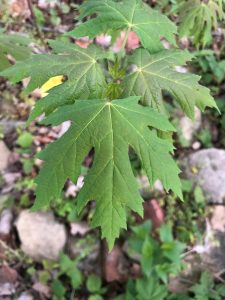
Grow leaves very early in spring, before native plants and keep their leaves until late in the fall beyond native plants. Norway Maples create an umbrella of darkness over other plants all summer, taking all available light and nutrients.
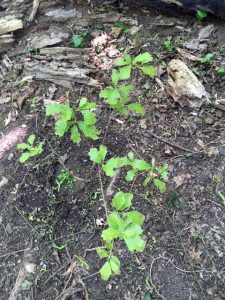
Removal: Full grown trees are too large to remove. A special gripping pry bar tool is used to rip out Norway Maple saplings up to 2 inches thick. We have removed over 200 saplings in this manner.
Our Progress
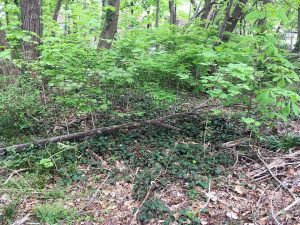
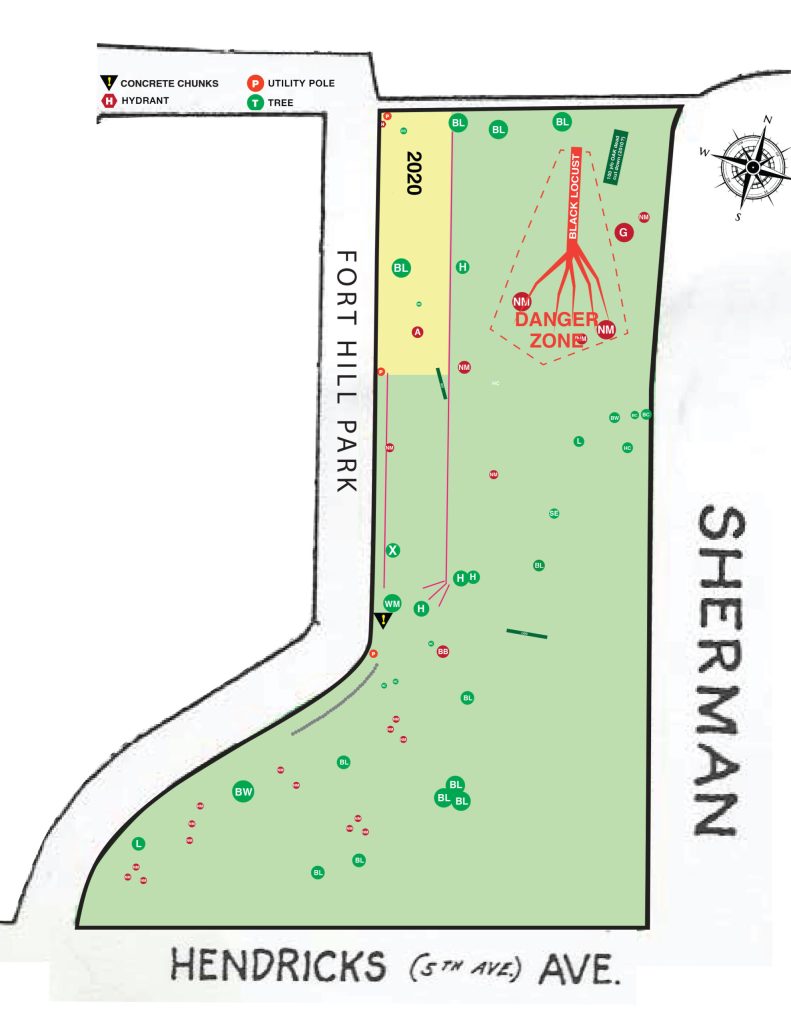
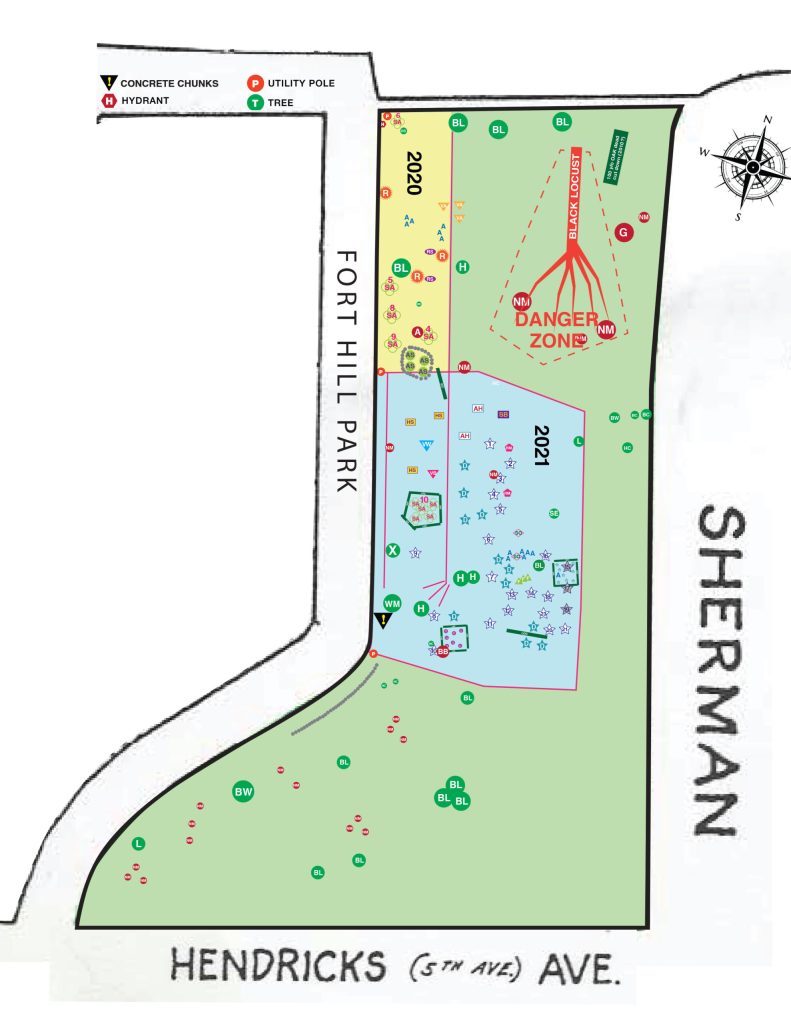
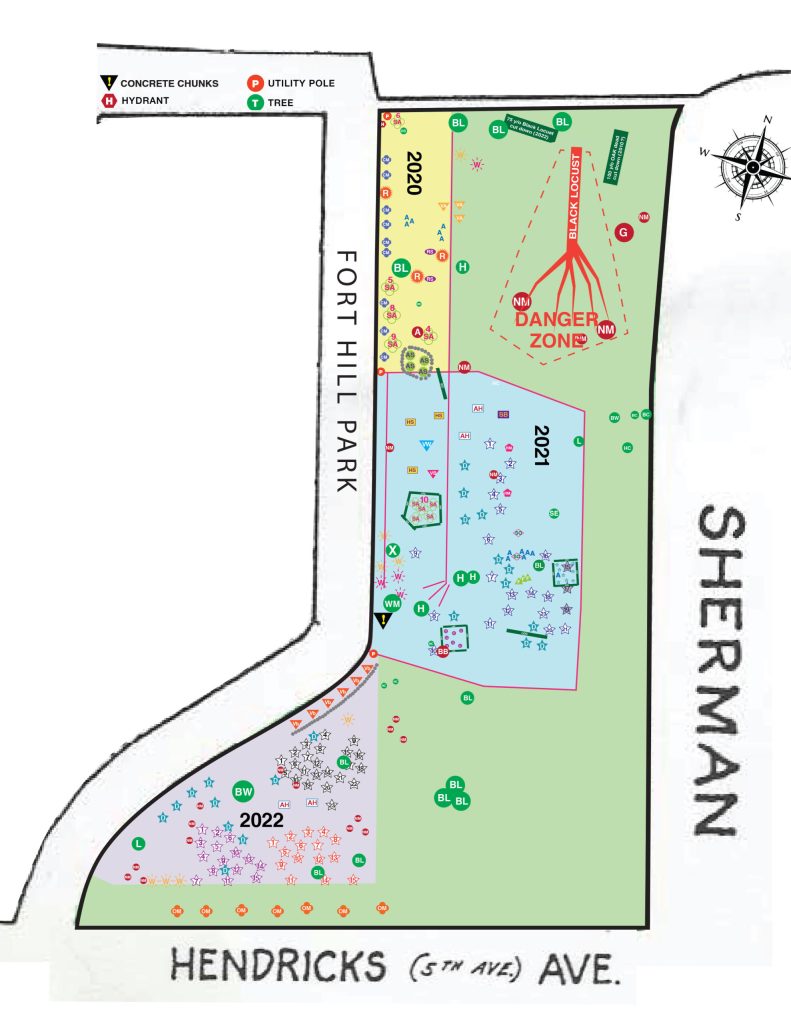
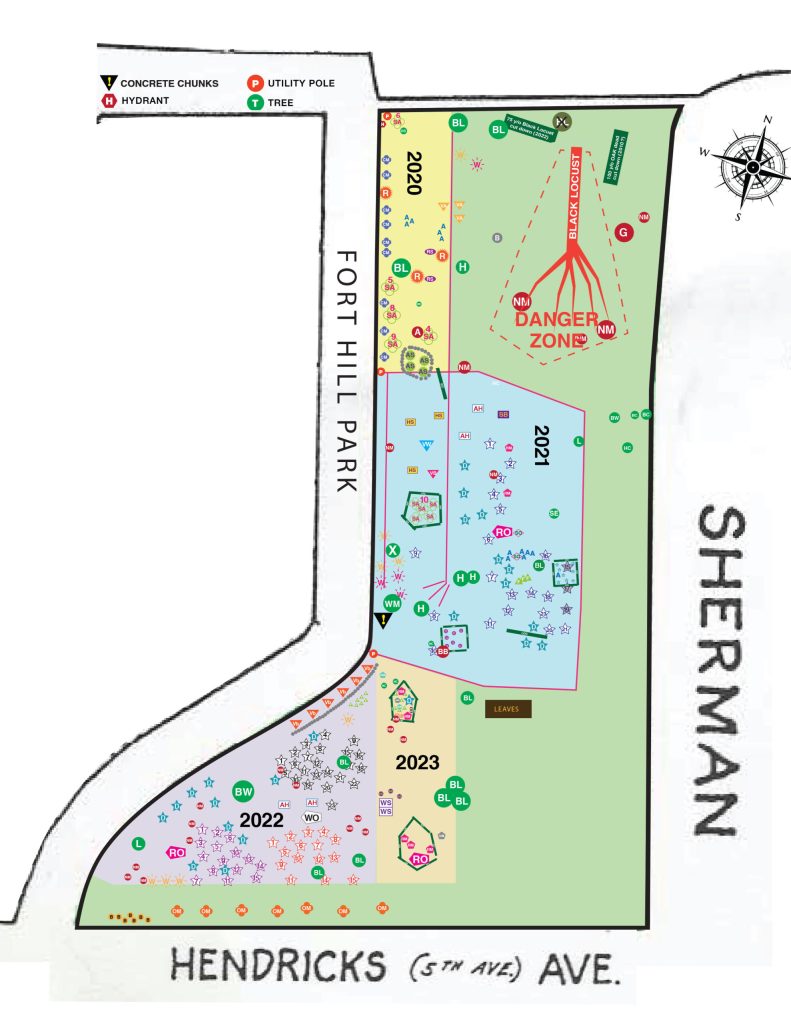
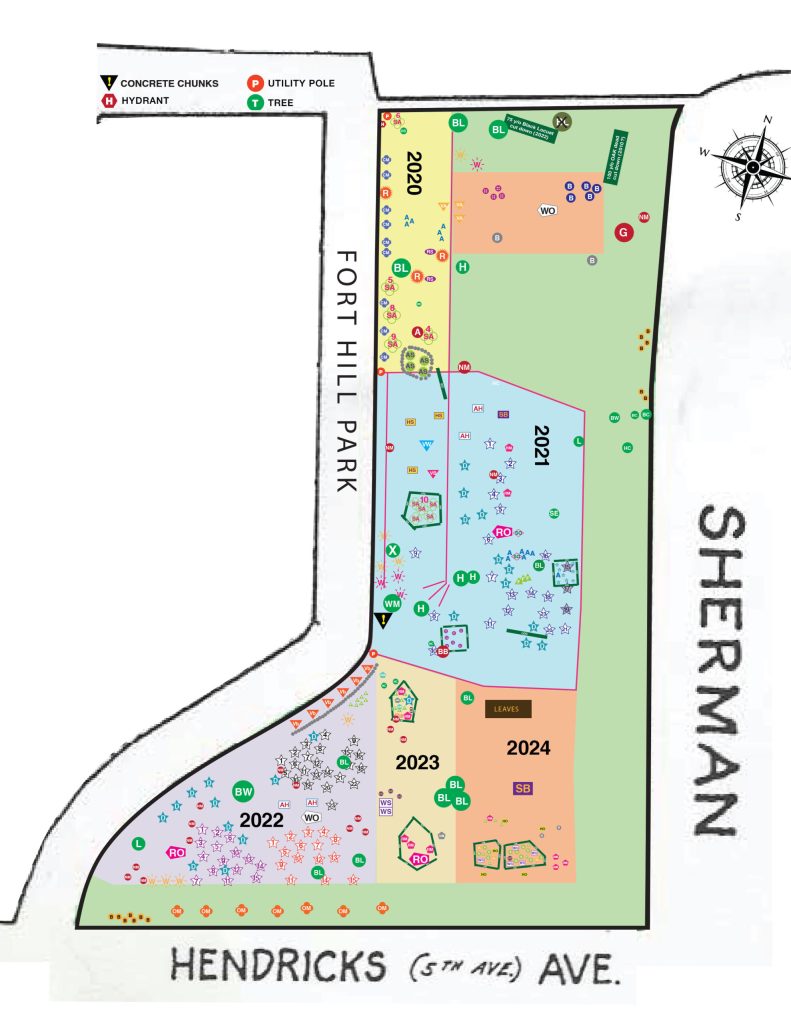
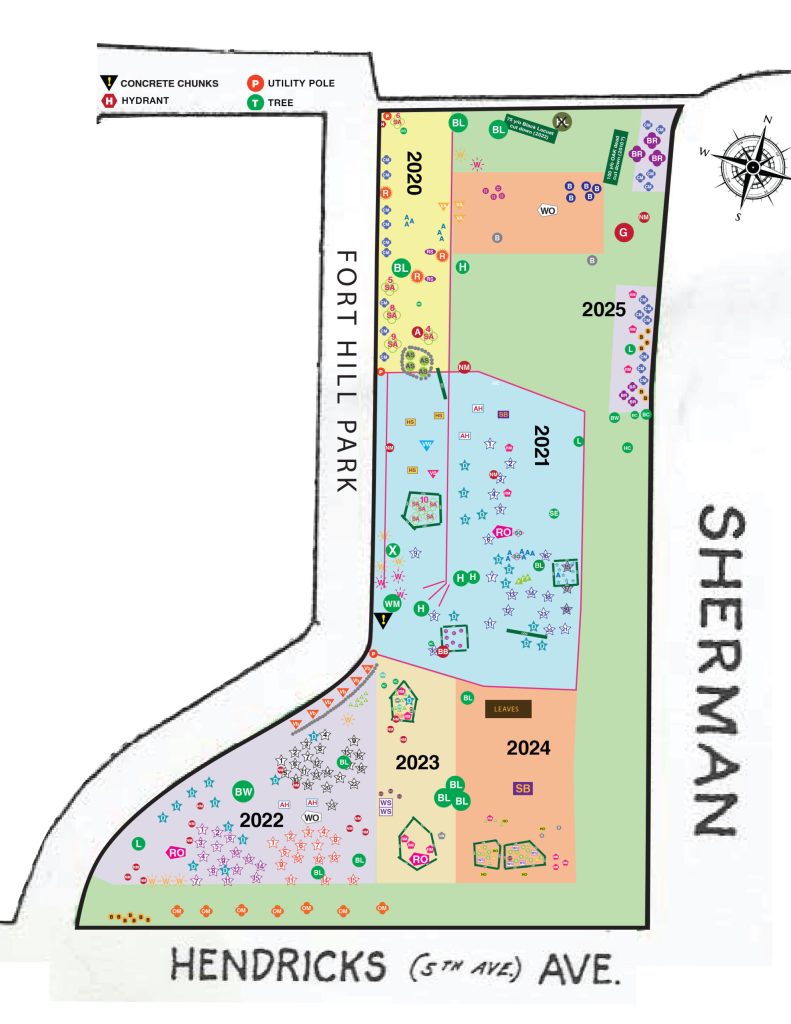
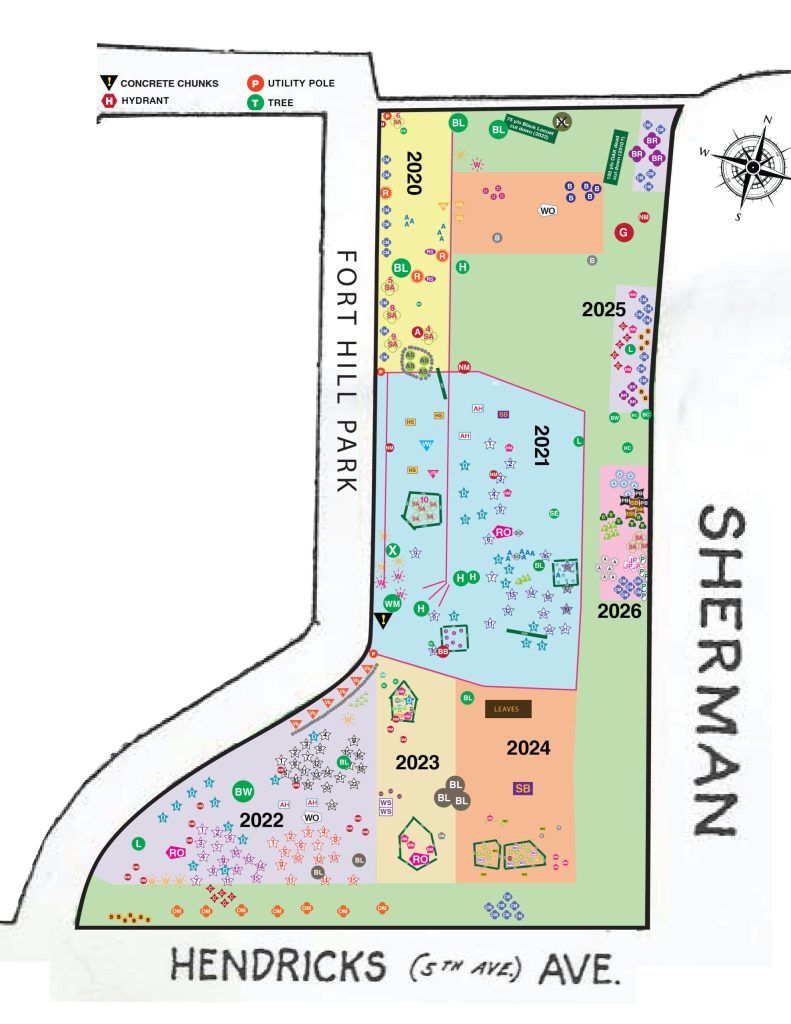
This map of Fort Hill Park tracks the progress of our planting. With each event, the park volunteers focus on a new section of the park.
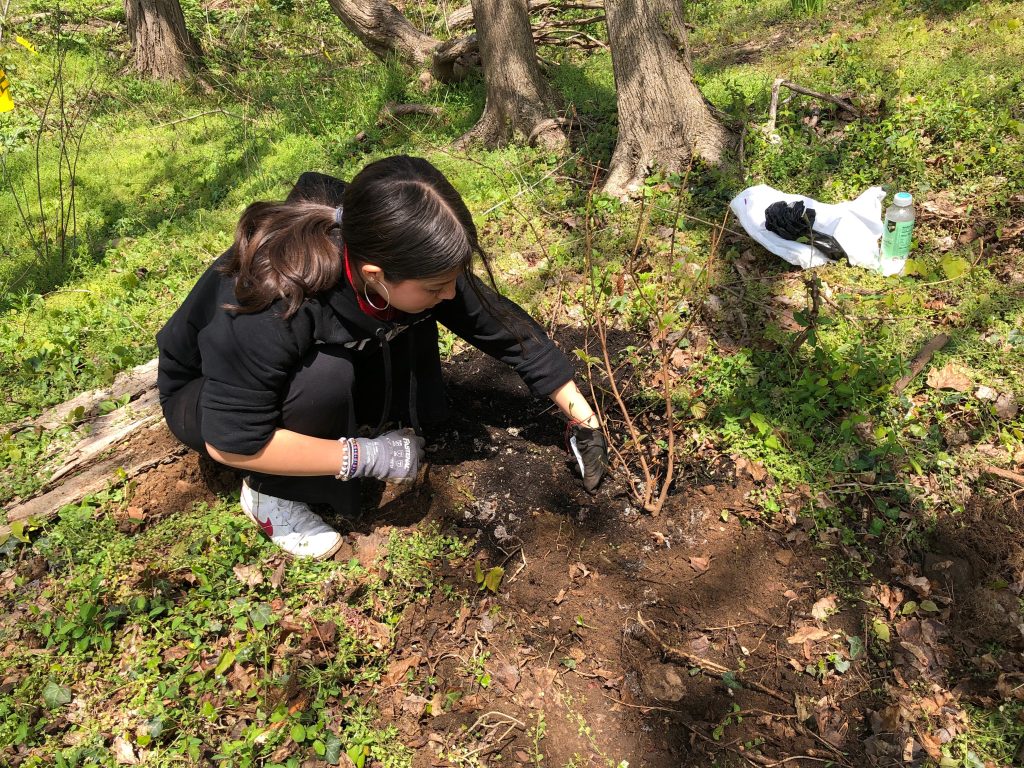
We identify invasive plants and on the first day of the event, volunteers remove them, taking care to protect existing plants that are native to the area. The second day of the event is for planting in the same area with native specimens that are beneficial to the ecosystem within the park.
See the progression of plantings over the years!
Featured Native Plant
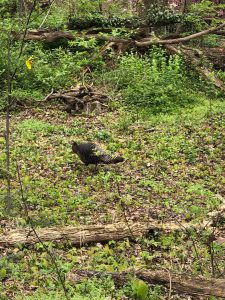
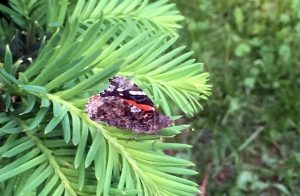
The purpose of native woodland restoration in Fort Hill Park is to reintroduce plants that would naturally exist in this place. Native plants support nature by creating a reciprocal environment where insects, birds and other creatures can find the specific plants that they depend on for survival.
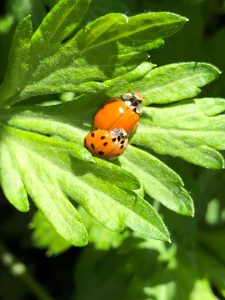
Native plants provide food for animals or a place to lay eggs. At the same time, the plants may be pollinated by the animals that depend on them, creating new plants for an ongoing and healthy ecosystem.
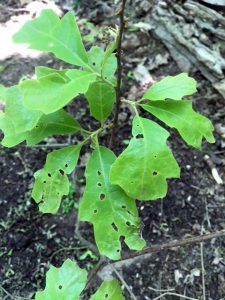
Non-native plants do not offer the correct food or nesting that insects and animals need. For example, a native oak tree can support over 500 species of caterpillars while an ornamental cherry is host to less than 20.
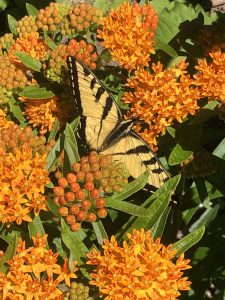
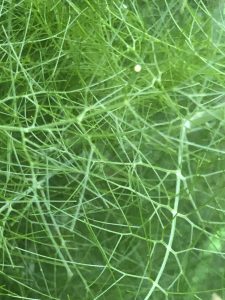
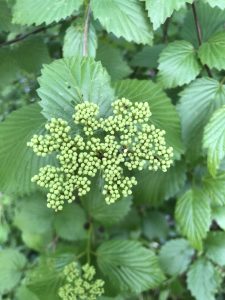
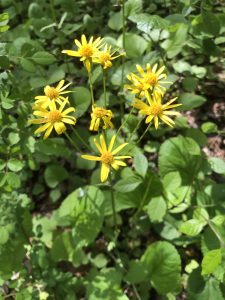
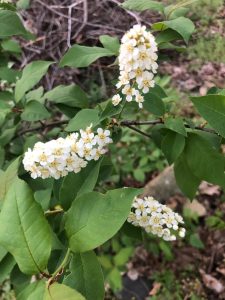
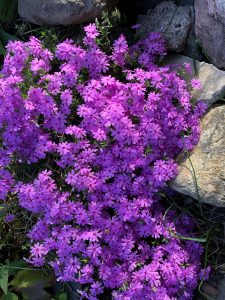
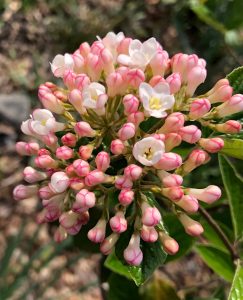
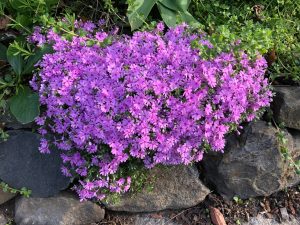
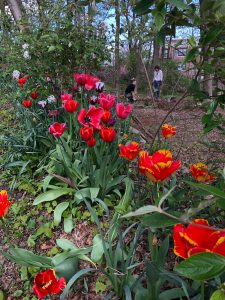
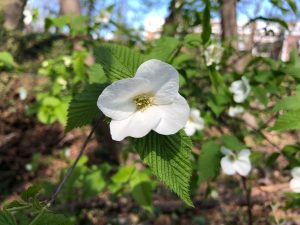
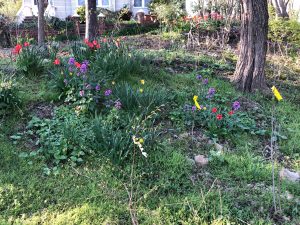
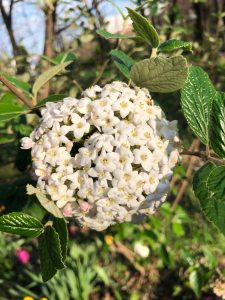
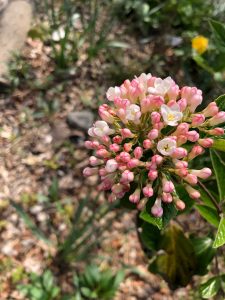
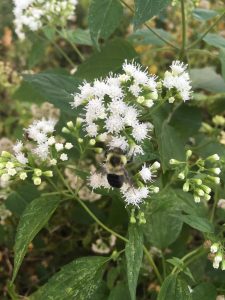
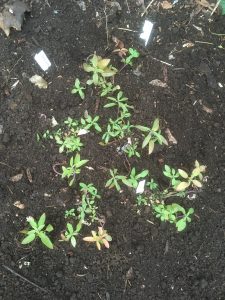
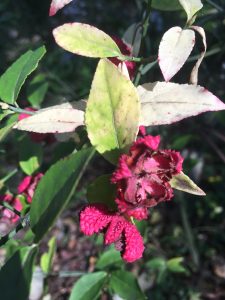
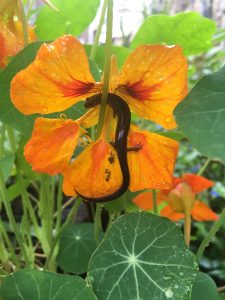
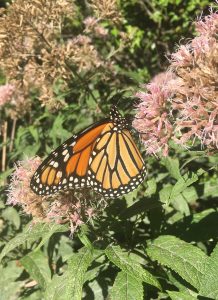
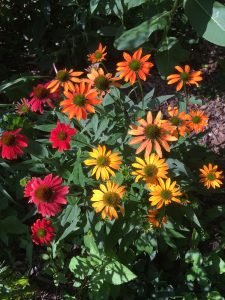
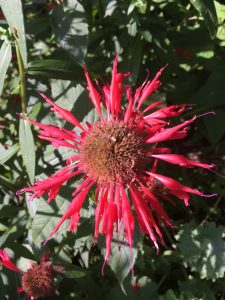
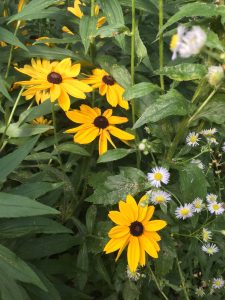
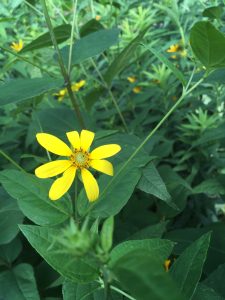
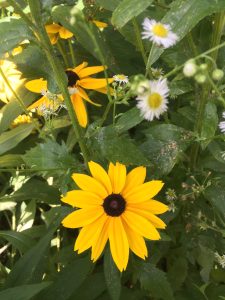
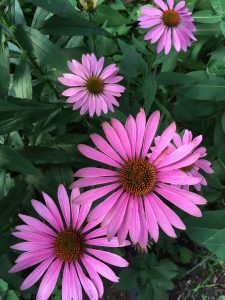
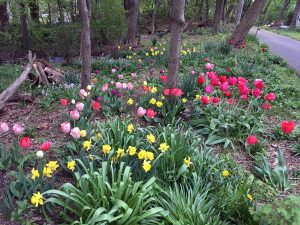
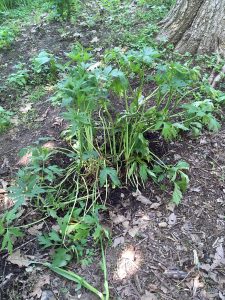
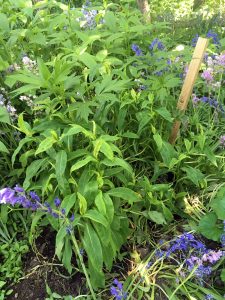
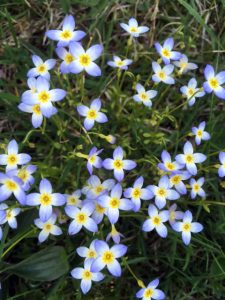
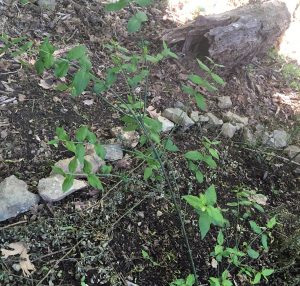
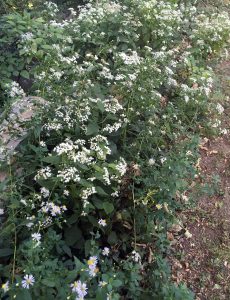
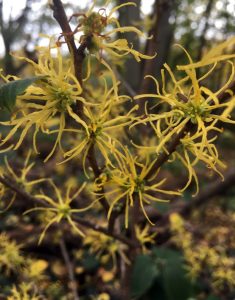
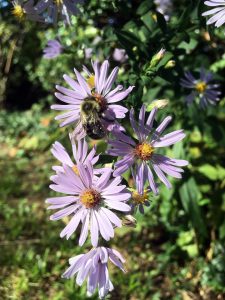
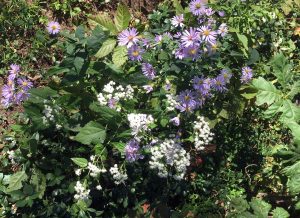
Here are some native trees, shrubs, and flowers that we have planted in Fort Hill Park.
Chokeberry

Contact Us!
Fort Hill Park is thriving from community participation, and growing awareness about the importance of native plants and healthy forests for human life. Reach out for information about volunteering or other ways to continue supporting the park’s transformation!